
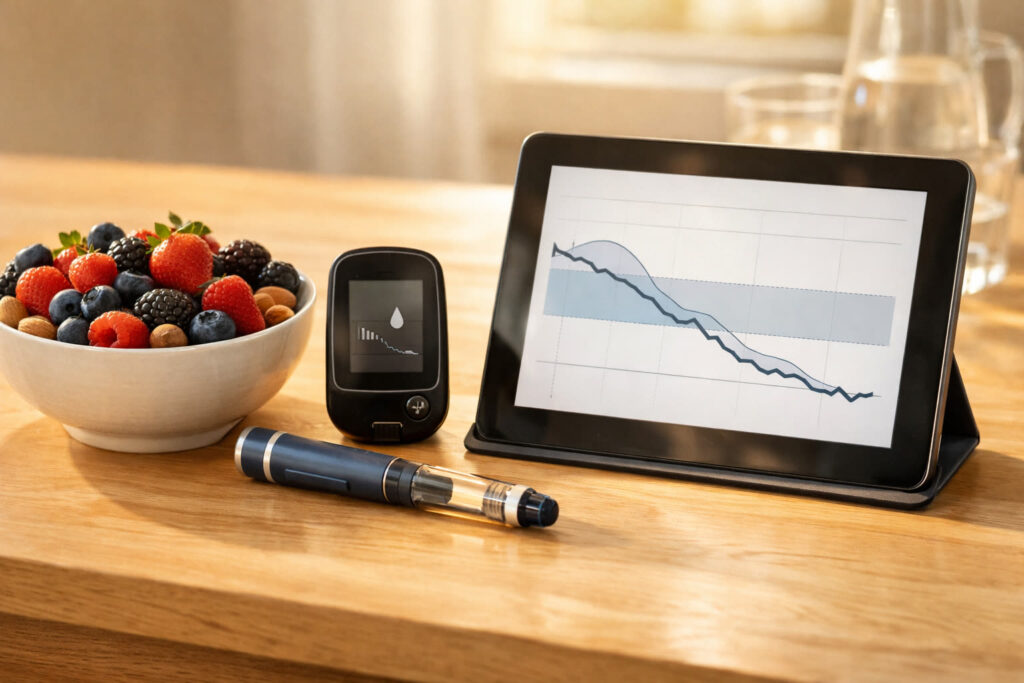
Semaglutide for Prediabetes Weight Loss UK Prescribing Guide
Last updated: March 2026
As someone who’s followed the buzz around semaglutide for a while, I’ve noticed a lot of chatter about its role beyond type 2 diabetes—especially for people with prediabetes keen on losing weight. It’s no secret that shedding those extra pounds can help prevent the slide into full-blown diabetes, and semaglutide seems to be carving a niche here. But the UK prescribing climate is a bit tricky, and the specifics on dosing and safety often get glossed over. In this guide, I’ll break down what you need to know about semaglutide for prediabetes weight loss in the UK context, backed by the latest research and real-world experience.
What Is Semaglutide and How Does It Help With Prediabetes?
Semaglutide is a glucagon-like peptide-1 (GLP-1) receptor agonist. Originally developed to treat type 2 diabetes by improving blood sugar control, it’s now gaining traction for weight management. The mechanism? It slows gastric emptying, reduces appetite, and promotes satiety, leading to less calorie intake—pretty handy if you’re struggling with those relentless hunger pangs.
For people with prediabetes—defined in the UK as having HbA1c levels between 42-47 mmol/mol (6.0-6.4%)—weight loss is a proven strategy to delay or avoid progression to type 2 diabetes. The UK’s NHS Diabetes Prevention Programme typically focuses on lifestyle changes, but sometimes that’s just not enough. Semaglutide can enhance weight loss efforts, as shown in several trials:
- SCALE Obesity and Prediabetes Trial (2015): Participants without diabetes lost an average of 6.0-10.4% body weight after 56 weeks on semaglutide compared to placebo.
- STEP 1 (2021): Demonstrated significant weight reduction in non-diabetics, including those with prediabetes, with weekly doses of 2.4 mg semaglutide.
So what does this actually mean for you? If you’re prediabetic and struggling to lose weight, semaglutide could be a useful prescription tool—though it’s not a magic wand and still requires commitment to healthier habits. Importantly, while semaglutide is licensed for weight management, NHS access in the UK is still limited.
UK Prescribing Guidelines and Availability for Prediabetes Weight Loss
Now here’s the thing: semaglutide is licensed in the UK primarily for type 2 diabetes (as Ozempic®) and obesity (as Wegovy®). But its use specifically for prediabetes is a bit of a grey area. NICE (National Institute for Health and Care Excellence) currently recommends GLP-1 receptor agonists mainly for managing type 2 diabetes and obesity with specific BMI thresholds (usually BMI ≥30 or ≥27 with comorbidities).
Since prediabetes sits in a kind of clinical middle ground, NHS prescriptions for semaglutide targeting prediabetes-related weight loss are still uncommon. That said, private prescriptions are available from some UK clinics, though costs can be steep—around £200-£250 per month for the medication alone.
Those considering semaglutide should consult specialist endocrinologists or obesity services to discuss risks, benefits, and thorough screening. Also, the treatment is typically combined with lifestyle advice, including diet and exercise—semaglutide isn’t meant to replace these, just complement them.
If you’re wondering how to access semaglutide on the NHS in 2026, the short answer is that prediabetes weight loss isn’t yet officially covered, but this landscape may evolve in coming years as evidence and cost-effectiveness data accumulate.
Practical Dosage and Administration for Prediabetes Weight Loss
Let’s get down to the nuts and bolts. For weight loss in patients without diabetes, semaglutide dosing usually follows the regimen approved for obesity:
- Start at 0.25 mg subcutaneously once weekly for 4 weeks (this dose is just to get your body used to it, not therapeutic)
- Increase to 0.5 mg once weekly for 4 weeks
- Then escalate every 4 weeks in 0.5 mg increments to a maintenance dose of 2.4 mg weekly (the dose used in weight management trials)
The slow titration helps reduce gastrointestinal side effects, which can be a hurdle. Honestly, the nausea and occasional vomiting some patients experience in the early weeks can be off-putting, but they often subside.
For people with prediabetes, the approach would be similar—start low, go slow, watch for side effects. The treatment duration is typically around a year, after which your healthcare provider will assess progress and decide whether to continue.
Always use the device as instructed, injecting subcutaneously in the abdomen, thigh, or upper arm. And if you’re unsure on any step, resources like this dosage guide can help.
Safety, Side Effects, and Important Considerations
Semaglutide’s safety profile is generally favourable but not without caveats. The common side effects are mostly gastrointestinal:
- Nausea (experienced by up to 20-30% of users)
- Diarrhoea or constipation
- Vomiting
- Abdominal pain
These tend to be mild to moderate and mostly occur during dose escalations. But if you have a history of pancreatitis, thyroid cancer, or severe gastrointestinal disease, semaglutide is usually off the table.
Also, semaglutide can cause hypoglycemia, especially if combined with other glucose-lowering agents—but since prediabetes patients usually aren’t on these meds, this risk is low.
Long-term safety data beyond two years is still limited, although ongoing studies are promising. I always emphasize the importance of regular follow-up visits to monitor efficacy, side effects, and overall health.
And a quick heads-up: semaglutide is expensive, and many people look for online sources. For reliable options, check out our guide on affordable semaglutide in the UK to avoid counterfeit products.
How Semaglutide Compares with Other Weight Loss Options for Prediabetes
It’s worth sizing up semaglutide against other medications or interventions for weight loss in prediabetes. Here’s a quick side-by-side of semaglutide versus some common options:
| Intervention | Average Weight Loss (%) | Typical Side Effects | UK NHS Accessibility | Notes |
|---|---|---|---|---|
| Semaglutide (2.4 mg weekly) | 10-12% | Nausea, GI upset | Limited, mainly private for prediabetes | Proven appetite suppression; requires injection |
| Metformin | 2-3% | GI upset, rare lactic acidosis | Widely available via NHS for diabetes prevention | First-line for prediabetes; modest weight loss |
| Lifestyle intervention (diet + exercise) | 5-7% | Minimal | Fully supported by NHS programmes | Behaviour dependent; cornerstone treatment |
| Orlistat | 3-5% | GI issues, oily stools | Available on NHS with criteria | Works by reducing fat absorption |
As you can see, semaglutide tends to offer the highest average weight loss, but it comes with cost and accessibility challenges here in the UK. Metformin remains a staple for prediabetes, but its weight effects are modest at best. Lifestyle changes are foundational, but folks often seek additional help when these plateau.
If you want to know more about combining semaglutide with other strategies, I recommend checking out how intermittent fasting can complement semaglutide.
Frequently Asked Questions (FAQ)
Can I get semaglutide on the NHS for prediabetes weight loss?
Currently, semaglutide is not routinely prescribed on the NHS specifically for prediabetes-related weight loss. It’s mainly available privately. However, NHS support focuses on lifestyle interventions and sometimes metformin. This could change as newer guidelines emerge.
How long does it take to see weight loss results with semaglutide?
Some patients begin noticing weight loss within 4-8 weeks of starting the medication, especially after reaching maintenance dose. Clinical trials report significant results around the 12-16 week mark, with continued losses over a year.
Are there any lifestyle changes I need to make while taking semaglutide?
Absolutely. Semaglutide enhances weight loss, but for best results, you should maintain a balanced diet and regular physical activity. Think of semaglutide as a helpful boost, not a standalone solution.
What are the main side effects to watch out for?
Most common side effects involve the digestive system—nausea, diarrhoea, constipation, and occasional vomiting. These often improve with time. Rarely, more serious issues like pancreatitis can occur, so report severe abdominal pain promptly.
Can semaglutide prevent progression from prediabetes to type 2 diabetes?
While semaglutide is not officially approved for diabetes prevention, weight loss achieved with it can reduce the risk. Some studies suggest improvements in insulin sensitivity. However, more targeted research is needed before any definitive claims.
Final Thoughts
Semaglutide offers an exciting option for weight loss in prediabetes, especially for those who’ve struggled with traditional methods. That said, in the UK, accessing it for this purpose still requires navigating private prescriptions and a fair bit of cost. If you consider semaglutide, work closely with your healthcare provider to weigh the benefits against potential side effects, and keep lifestyle changes front and centre.
For more detailed tips on starting semaglutide safely, see our guide on managing initial side effects. And if you’re curious how semaglutide stacks up against alternatives for specific conditions, take a look at this comparison.
Ultimately, it’s about making an informed choice and finding what works best for your health journey.
For authoritative data on semaglutide’s use and clinical trials, the European Medicines Agency (EMA) is an excellent resource.