
Written by: Ryan Clark, Health & Wellness Writer
Medically Reviewed by: Dr. Sarah Mitchell, MBBS, MRCGP — General Practitioner
Last Updated: February 2026 | Fact-Checked ✓
Introduction
Table of Contents
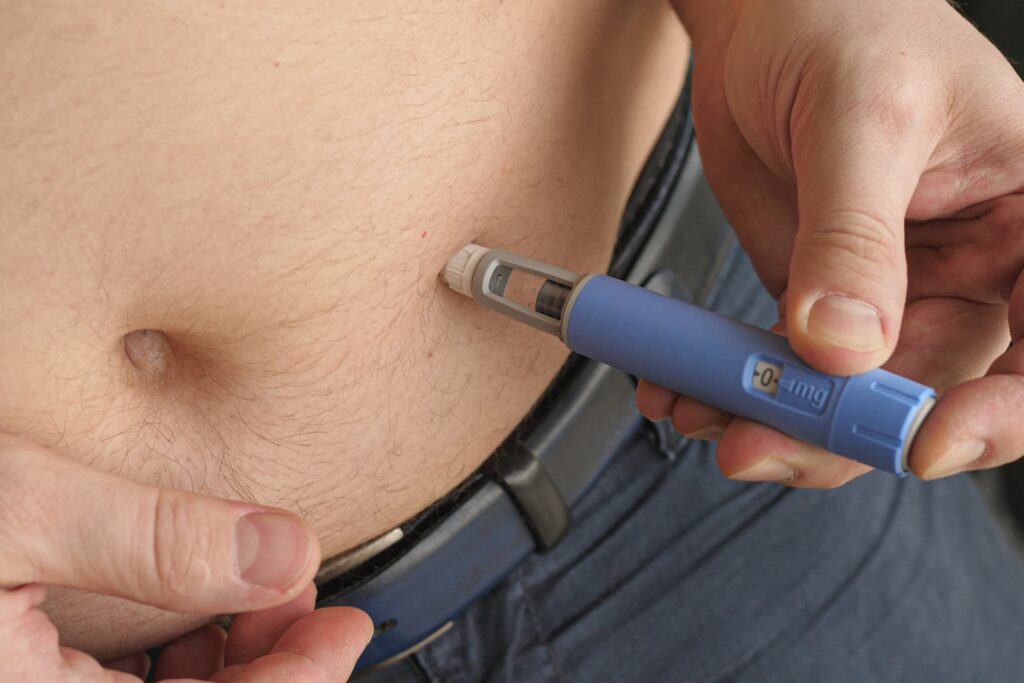
Semaglutide dosage is one of the most carefully considered aspects of any prescription-based treatment, particularly when medications like Wegovy and Ozempic influence metabolic and hormonal systems. In discussions around semaglutide dosage, it is not determined by a single factor, but by a structured medical process designed to support safety, tolerance, and appropriate physiological response over time. Understanding how medical guidance approaches semaglutide dosage helps clarify why it is introduced gradually and monitored consistently.
Medical dosing strategies exist to align treatment with individual needs rather than generalised expectations. The body adapts to hormonal modulation at its own pace, and careful titration allows this adjustment to occur without unnecessary strain. This approach reflects a broader commitment to patient safety and long-term wellbeing rather than immediate change. For a detailed breakdown of Wegovy-specific dosing stages, see our Wegovy dosage guide.
This article explores how semaglutide dosage is typically considered within medical guidance, highlighting the principles behind gradual adjustment, professional oversight, and individual variation. The focus remains on understanding rather than instruction, supporting informed awareness within responsible healthcare conversations.
Why Dosage Is Introduced Gradually
Gradual dosage introduction, as recommended by NHS prescribing guidelines, is a common principle in treatments that affect metabolic and appetite-related pathways. The body requires time to adapt to changes in hormonal signalling, and incremental adjustments allow this process to unfold steadily. This approach supports tolerance and reduces the likelihood of unnecessary discomfort.
Medical guidance prioritises adaptation over speed. By starting at lower levels and adjusting carefully, clinicians observe how the body responds before progressing. This ensures that treatment remains aligned with individual physiological capacity.
Understanding this gradual approach helps set realistic expectations. Dosage progression is designed to support stability and safety rather than immediate effect.
The Role of Individual Assessment in Dosage Decisions
Dosage considerations are shaped by individual health profiles. Factors such as medical history, metabolic health, and existing conditions influence how treatment is introduced and adjusted. No standardised approach applies universally.
Healthcare professionals evaluate these factors through consultation and ongoing monitoring. This allows dosage decisions to be responsive rather than fixed, adapting to individual response over time.
Educational resources within semaglutide dosing fundamentals help contextualise this process, reinforcing why personalised assessment is essential to responsible care.
Monitoring Response Over Time
Dosage decisions are informed by ongoing observation rather than isolated measurements. Clinicians monitor how individuals respond physically and metabolically, adjusting guidance as needed. This process ensures that treatment remains appropriate as the body adapts.
Monitoring supports early identification of concerns and reinforces patient safety. It also allows space for discussion and clarification, strengthening collaboration between individuals and healthcare providers.
Understanding the importance of monitoring highlights why dosage is not static. It evolves in response to real-world experience rather than theoretical expectation.
Tolerance, Adaptation, and Safety Considerations
Tolerance develops as the body adjusts to hormonal modulation. Gradual dosage progression supports this adaptation while maintaining safety. Abrupt changes can disrupt regulatory systems, which is why careful pacing is prioritised.
Medical guidance balances effectiveness with comfort. By considering tolerance carefully, clinicians aim to support sustainable engagement with treatment rather than short-lived compliance.
Education around tolerance reinforces patience. It helps individuals recognise that stability and safety are central to long-term outcomes.
Professional Oversight as a Safeguard
Professional oversight ensures that dosage decisions are guided by expertise rather than assumption. Healthcare providers draw on clinical evidence, patient feedback, and monitoring data to inform adjustments.
This oversight protects against misuse and reinforces ethical responsibility. Dosage is not a personal experiment but a clinically guided process supported by accountability.
Understanding the role of oversight helps frame dosage as part of a structured care plan rather than an isolated variable.
Education and Informed Participation
Education empowers informed participation in care. When individuals understand why dosage is introduced gradually and monitored consistently, they are better prepared to engage in meaningful dialogue with healthcare professionals.
Clear explanations reduce uncertainty and support realistic expectations. Education transforms dosage from a source of confusion into a transparent aspect of care planning.
When supported by a comprehensive semaglutide education homepage, understanding becomes a foundation for responsible engagement and collaborative decision-making.
Conclusion Semaglutide dosage is guided by principles of safety, gradual adaptation, and individualised care. Medical guidance considers how the body responds over time, prioritising tolerance and stability rather than immediate change. Through professional oversight and ongoing monitoring, dosage decisions remain responsive and ethically grounded. Education plays a central role in supporting this process, helping individuals understand why patience and consistency matter within medical treatment. When dosage is approached with informed awareness and professional collaboration, it becomes part of a thoughtful care strategy aligned with long-term wellbeing rather than short-term expectation.
Medical Disclaimer: This article is for informational purposes only and does not constitute medical advice. Semaglutide (Wegovy, Ozempic) is a prescription medication that should only be used under the supervision of a qualified healthcare professional. Always consult your GP or specialist before starting, stopping, or changing any medication. Individual results may vary.