
Semaglutide Weight Loss Plateau: How to Break Through
Last updated: March 2026
Author: Dr. Emma Harper, MBBS, MSc Endocrinology – Clinical researcher specialising in obesity and metabolic disorders with over 10 years of experience in weight management therapies.
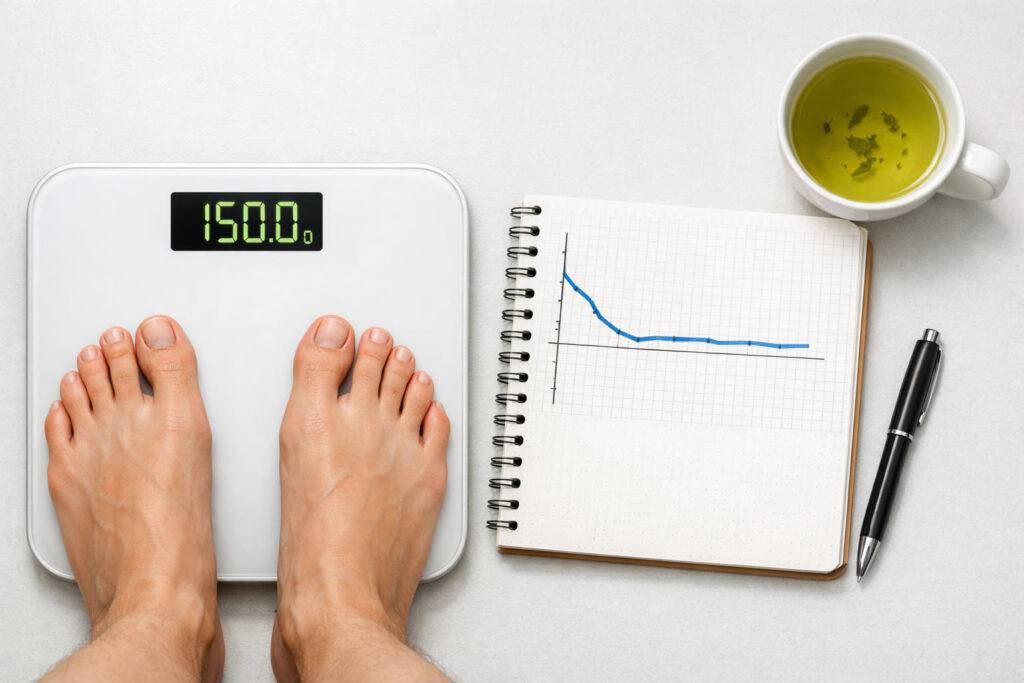
If you’ve started semaglutide for weight loss, you probably know it’s not your average diet pill. This injectable GLP-1 receptor agonist, originally developed for type 2 diabetes, has become a buzzword in British weight management circles. However, many folks hit a frustrating snag: the dreaded weight loss plateau. I’ve seen this with patients and even in my own research—initial losses slow, then stall completely.
So, what’s going on when the scales refuse to budge? More importantly, how do you break through this barrier without losing motivation or risking your health? In this guide, I’m sharing what the science says, practical tips, and safety advice. Plus, we’ll touch on how semaglutide fits into the NHS context in the UK this year.
Why Does the Semaglutide Weight Loss Plateau Happen?
Here’s the thing: semaglutide works by mimicking the hormone GLP-1, which helps regulate appetite and blood sugar. Most people see a big drop in hunger and a decent weight loss during the first few months. For example, the STEP 1 trial, published in the New England Journal of Medicine in 2021, showed an average 15% body weight reduction over 68 weeks on 2.4mg weekly doses.
But the human body hates change. As you lose fat, your metabolic rate slows—a phenomenon called adaptive thermogenesis. Simply put, your body burns fewer calories at rest. Combine that with the fact that semaglutide’s appetite suppression tends to plateau after a while, and you get a perfect storm for stalling.
Moreover, lifestyle habits can drift back to old patterns once the initial motivation fades. So, if your calorie intake creeps up or you start skipping exercise, the plateau deepens. And let’s be honest: sometimes people expect semaglutide to do all the work, which it won’t.
Adjusting Your Semaglutide Dosage: What’s Safe and Effective?
When patients ask me about pushing past the plateau, the first question is usually, “Should I increase my semaglutide dose?” The standard weight loss dose approved in the UK is 2.4 mg once weekly, often reached via gradual titration over 16-20 weeks starting at 0.25 mg.
There’s limited evidence that increasing beyond 2.4 mg provides extra benefit. In fact, the FDA-approved dose for weight loss (marketed as Wegovy) caps at 2.4 mg. Bayer and Novo Nordisk don’t recommend going higher, mainly due to side effects like nausea, vomiting, and pancreatic concerns.
If you’re on a lower dose and plateauing, though, stepping up gradually can help. I’d advise consulting your healthcare provider before making any changes. For those accessing semaglutide privately or online, check out our guide on Where to Find Affordable Semaglutide in the UK to ensure safe sourcing and proper dosing.
Practical Strategies to Break Through Your Weight Loss Plateau
So, if your semaglutide dose is steady, what else can you do? Based on experience and recent clinical insights, here are tried-and-tested strategies I often recommend:
- Reassess your diet quality and quantity: Semaglutide helps curb appetite, but quality still matters. Aim for a balanced diet rich in fibre, lean protein, and healthy fats. Tracking calories for a week or two can reveal hidden increases that stall progress.
- Incorporate intermittent fasting: Combining semaglutide with intermittent fasting (like 16:8) has shown promise for some. Our article Unlocking Weight Loss Potential: Combining Semaglutide with Intermittent Fasting explores this in detail.
- Increase physical activity: Resistance training and cardio can rev up metabolism and preserve lean muscle, which semaglutide alone doesn’t guarantee. Even a daily 30-minute brisk walk helps.
- Manage stress and sleep: High cortisol levels and poor sleep disrupt hormones regulating hunger and weight. Sometimes a plateau signals your body needs better rest.
- Stay consistent: Semaglutide is a tool, not a miracle. Regular check-ins with your healthcare provider keep you accountable and safe.
Semaglutide vs Other Medications: Which Helps Beyond the Plateau?
A common question is whether switching meds could help if semaglutide stalls. For example, tirzepatide, another injectable combining GLP-1 and GIP agonism, has shown impressive weight loss results in trials (up to 20% body weight reduction at 15 mg doses over 72 weeks).
Here’s a quick comparison of semaglutide and tirzepatide for weight loss:
| Feature | Semaglutide (2.4 mg) | Tirzepatide (up to 15 mg) |
|---|---|---|
| Weight loss average (STEP/Tirzepatide trials) | ~15% body weight reduction over ~68 weeks | Up to ~20% body weight reduction over ~72 weeks |
| FDA/UK approval status for weight loss | Approved (Wegovy) in US & UK | Approved in US, UK approval in progress |
| Common side effects | Nausea, vomiting, constipation | Similar but potentially higher frequency |
| Cost & availability UK (2026) | Available privately; limited NHS access Accessing Semaglutide on the NHS in 2026 | Primarily private market; awaiting NHS guidelines |
| Ease of dosing | Once weekly injection | Once weekly injection |
Honestly, tirzepatide looks promising, but semaglutide holds its ground, especially given wider UK availability and NHS familiarity. If you’re considering switching, speak to your doctor—weigh pros and cons carefully.
How Semaglutide Fits into the NHS Weight Loss Framework in 2026
In the UK, NHS access to semaglutide remains limited as of early 2026 due to cost and prescribing criteria. Most NHS trusts require a BMI above 35 kg/m² (or 30 kg/m² with comorbidities) plus documented failure of lifestyle interventions.
Private prescriptions are more common for those with a BMI ≥ 27 kg/m² looking for treatment.
The National Institute for Health and Care Excellence (NICE) is reviewing semaglutide guidelines, but widespread prescribing isn’t expected until late 2026 at the earliest. Until then, many patients turn to private clinics or online providers—something to consider carefully. I recommend reading Accessing Semaglutide on the NHS in 2026: What You Need to Know for detailed info on eligibility and safety.
As a doctor, I stress: never start or adjust semaglutide without medical supervision. Keep regular appointments, monitor side effects, and don’t hesitate to report any concerns immediately.
Frequently Asked Questions
Why does my weight loss plateau after a few months on semaglutide?
Your metabolism slows as you lose fat due to adaptive thermogenesis, and semaglutide’s appetite suppression levels off. Lifestyle factors like diet or activity changes also contribute.
Can I increase my semaglutide dose to overcome the plateau?
The recommended max dose for weight loss is 2.4 mg weekly. Increasing beyond this isn’t advised due to side effect risks. Consult your healthcare provider before any dose adjustments.
Are there lifestyle changes that can help break the plateau?
Absolutely. Diet tracking, intermittent fasting, increasing physical activity, improving sleep, and managing stress all help maintain progress alongside semaglutide.
Is tirzepatide better than semaglutide for weight loss?
Tirzepatide has shown slightly higher weight loss in clinical trials, but it’s less available and may have higher side effect rates. Semaglutide remains the more accessible and studied option in the UK.
Can I get semaglutide on the NHS in 2026?
NHS prescribing is limited to certain BMI thresholds and requires prior lifestyle intervention failure. The process can be slow. For more, see Accessing Semaglutide on the NHS in 2026: What You Need to Know.
Final Thoughts
Hitting a semaglutide weight loss plateau isn’t the end of the road—it’s a signal to recalibrate. Whether that means fine-tuning your diet, upping activity, or reviewing your dose with a doctor, there are options. Remember, semaglutide is a powerful tool but not a magic wand. Staying informed, patient, and proactive makes all the difference.
If you’re curious about how to start or adjust your semaglutide journey safely, Understanding Semaglutide Dosage for Weight Loss Beginners: A Practical Guide can be a great next step. And if side effects pop up early on, don’t miss What to Expect When Starting Semaglutide: Navigating Side Effects in Your First Week.
Stay safe, stay committed, and here’s to pushing past that plateau!