
Written by: Ryan Clark, Health & Wellness Writer
Medically Reviewed by: Dr. Sarah Mitchell, MBBS, MRCGP — General Practitioner
Last Updated: February 2026 | Fact-Checked ✓
Introduction
Table of Contents
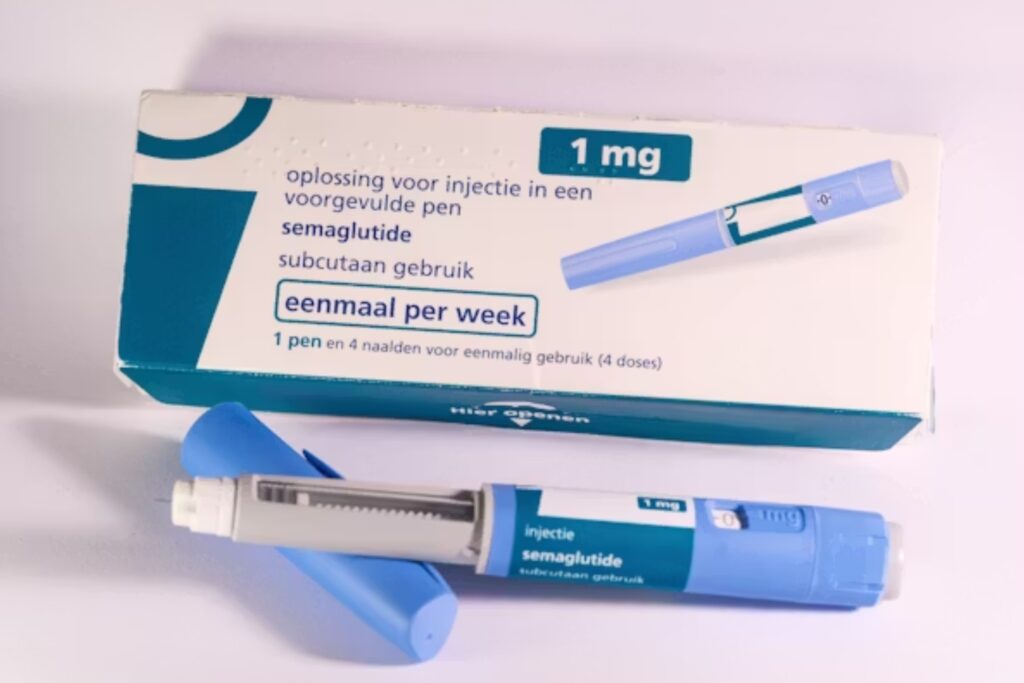
Semaglutide healthcare questions are essential to address before beginning any medically supported treatment, whether you are considering Wegovy for weight management or Ozempic for related metabolic health. It requires thoughtful dialogue, reflection, and professional guidance tailored to individual health circumstances. Conversations about semaglutide healthcare questions with professionals play a central role in shaping safe, informed, and appropriate care decisions. These discussions help ensure that treatment considerations align with personal health history, medical needs, and long-term wellbeing.
Healthcare professionals are trained to assess suitability through comprehensive evaluation, but effective care is collaborative. When individuals are prepared to engage openly and thoughtfully, discussions become more meaningful and productive. Asking the right questions supports clarity, builds trust, and reinforces shared responsibility within the care process. For more on what to expect from treatment, see our Wegovy dosage guide.
This article explores the importance of discussing key considerations with healthcare professionals before treatment. By understanding the role of dialogue, individuals can approach medical decisions with greater confidence, awareness, and respect for the complexity of personalised care.
Understanding Personal Health Context
Every individual brings a unique health history to medical discussions. Previous conditions, current medications, and overall wellbeing all influence treatment considerations. Open dialogue allows healthcare professionals to evaluate these factors comprehensively.
Understanding personal health context supports appropriate decision-making. When individuals share relevant information clearly, clinicians can assess potential interactions, suitability, and safety more effectively.
This exchange reinforces that treatment decisions are not generic. They are shaped through detailed understanding of individual circumstances rather than assumptions.
Clarifying Treatment Goals and Expectations
Clear communication about goals helps align expectations with medical guidance. Healthcare professionals can help frame realistic outcomes based on clinical understanding and individual health profiles.
Discussing expectations supports transparency. It allows individuals to understand what treatment may support over time and how progress is typically evaluated. This clarity reduces uncertainty and promotes confidence.
When expectations are addressed openly, care planning becomes collaborative. Shared understanding strengthens engagement and long-term commitment.
Evaluating Suitability and Safety Considerations
Safety is a primary focus of professional evaluation, as outlined by NHS semaglutide guidance. Healthcare professionals assess suitability by considering physical health, potential risks, and overall readiness for treatment. Open discussion supports accurate assessment.
Individuals benefit from understanding why certain evaluations are necessary. This awareness reinforces trust in the care process and supports informed consent.
Educational resources within pre-treatment access guidance content help contextualise these discussions, reinforcing the importance of professional assessment.
Discussing Monitoring and Follow-Up
Treatment decisions extend beyond initiation. Monitoring and follow-up are essential components of responsible care. Healthcare professionals outline how progress is assessed and how adjustments are made over time.
Understanding monitoring processes supports reassurance. It clarifies that care is ongoing and responsive rather than static. This perspective supports long-term engagement and safety.
Dialogue around follow-up reinforces accountability. It ensures that individuals understand their role within the care framework.
Addressing Lifestyle and Daily Considerations
Lifestyle factors influence how medical support integrates into daily life. Discussing routines, responsibilities, and preferences allows healthcare professionals to tailor guidance realistically.
These conversations support practicality. When care plans align with real-world contexts, adherence and comfort improve over time.
Understanding how treatment fits within daily life reinforces sustainability and reduces unnecessary pressure.
Ethical Considerations and Informed Consent
Ethical care prioritises informed consent. Healthcare professionals ensure that individuals understand potential considerations, responsibilities, and alternatives before proceeding. Dialogue supports this ethical foundation.
Informed consent is not a single moment but an ongoing process. Continued discussion allows individuals to ask questions and revisit decisions as understanding evolves.
Education supports ethical engagement by reinforcing clarity and respect within the care relationship.
Education as a Foundation for Productive Dialogue
Education empowers individuals to participate actively in healthcare conversations. When individuals understand general principles, discussions become more focused and meaningful.
Educational resources support preparation. They help individuals approach consultations with confidence and clarity rather than uncertainty.
When supported by a reliable healthcare information platform, informed dialogue becomes a cornerstone of responsible care.
Conclusion
Discussing important questions with healthcare professionals before treatment is essential for safe, ethical, and informed decision-making. These conversations help align medical guidance with individual health context, expectations, and long-term wellbeing. Through open dialogue, individuals gain clarity, confidence, and reassurance, while healthcare professionals can provide personalised, responsible care. Education plays a vital role in supporting these discussions by preparing individuals to engage thoughtfully and collaboratively. When treatment decisions are shaped through informed conversation rather than assumption, care becomes a shared journey grounded in trust, understanding, and professional oversight.
Medical Disclaimer: This article is for informational purposes only and does not constitute medical advice. Semaglutide (Wegovy, Ozempic) is a prescription medication that should only be used under the supervision of a qualified healthcare professional. Always consult your GP or specialist before starting, stopping, or changing any medication. Individual results may vary.