
Last medically reviewed: 23 March 2026
Semaglutide Meal Plan Ideas High Protein Low Calorie UK
Last updated: March 2026
Hi there, if you’re exploring semaglutide as part of your weight loss journey here in the UK, you might be wondering what kinds of meals actually work best alongside this medication. I’ve spent quite a bit of time reviewing research and chatting with healthcare pros, and one thing’s clear: a high-protein, low-calorie meal plan tends to complement semaglutide’s appetite-suppressing effects really well. But what does that actually look like on a day-to-day basis? That’s what I want to get into—practical, UK-friendly meal ideas that fit the bill, plus some tips on safe dosing and sourcing.
Why a High Protein, Low Calorie Plan Fits Semaglutide Use
Semaglutide, prescribed typically at doses from 0.25mg escalating to 2.4mg weekly for weight loss, helps reduce hunger and improve blood sugar regulation. This means patients often find it easier to stick to calorie goals. But your body still needs good nutrition, especially protein, to maintain muscle mass and support metabolism.
Research published in the Journal of Clinical Endocrinology & Metabolism (2020) highlights that higher protein intake can enhance satiety and increase thermogenesis, which is crucial when you’re eating fewer calories. When combined with semaglutide, which naturally curbs appetite, this can lead to better weight loss outcomes and help avoid the energy slumps that often sabotage diets.
Here’s the kicker — in the NHS setting, many patients prescribed semaglutide for obesity management are also advised on meal plans focusing on protein-rich foods like lean meats, dairy, eggs, and legumes, while keeping total calories around 1200-1500 kcal daily, depending on individual factors.
Breakfast Ideas: Fuel Up Without Bloating Calories
Breakfast sets the tone for your whole day, especially when you’re taking semaglutide. From my experience, a protein-packed start can help curb mid-morning hunger pangs.
- Greek Yogurt Bowl: Use 150g of plain Greek yogurt (about 15g protein), add a handful of berries and a sprinkle of chia seeds for fibre. Total calories: approx. 200.
- Egg & Spinach Muffins: Whip up 3 eggs mixed with spinach and a little reduced-fat cheddar, baked in muffin tins. Make a batch and refrigerate—it’s a great grab-and-go. Protein around 18g per 3 muffins, roughly 250 kcal.
- Smoked Salmon on Rye Toast: One slice of wholegrain rye bread with 50g smoked salmon and a squeeze of lemon. Protein roughly 20g, calories about 220.
Notice how these options are high in protein but stay under 300 calories, making them ideal for people on semaglutide aiming to maintain a calorie deficit without feeling deprived.
Lunch and Dinner: Keeping It Balanced but Simple
Lunch and dinner don’t have to be complicated. Honestly, I find that simple meals with wholesome ingredients often work best, especially when you’re adjusting to semaglutide’s appetite changes.
Consider these:
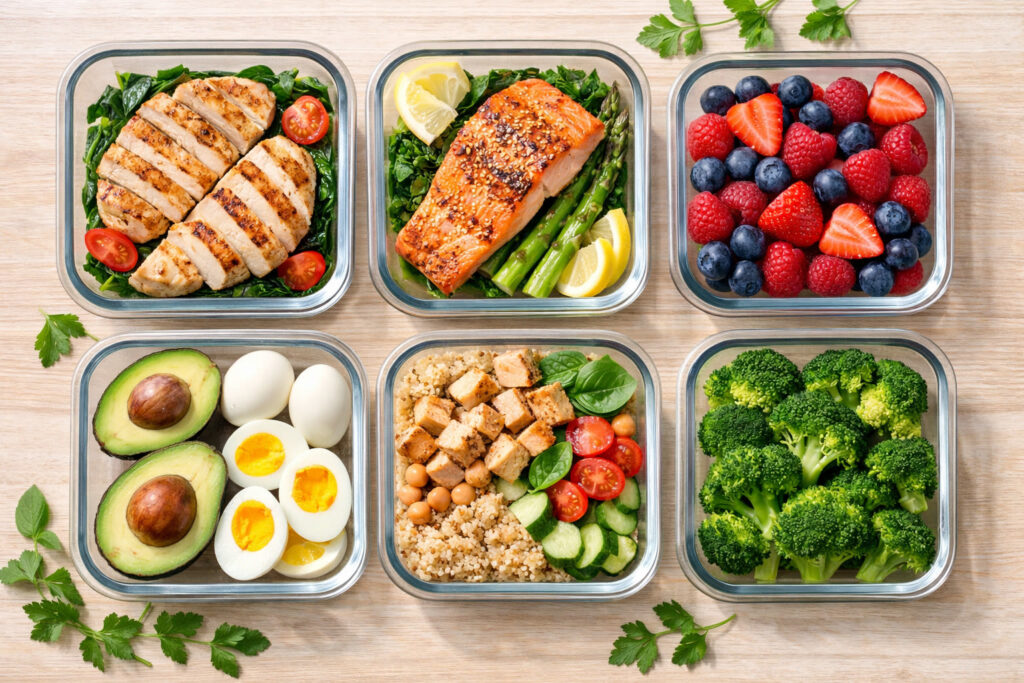
- Grilled Chicken Salad: 120g grilled chicken breast (~30g protein) on a bed of mixed salad leaves, cherry tomatoes, cucumber, and a tablespoon of olive oil and lemon dressing. Around 350 kcal.
- Turkey & Vegetable Stir Fry: Lean turkey mince (100g), stir-fried with broccoli, bell peppers, and snap peas in a splash of low-sodium soy sauce. Protein content: 28g, calories: 400.
- Baked Cod with Veggies: A 150g fillet of cod with steamed green beans and a small baked sweet potato. Protein 35g, calories approximately 380.
Keeping the calorie count moderate but the protein high ensures you’re getting the nutrition your body needs while staying aligned with semaglutide’s appetite regulation effects. Plus, these meals fit well with typical UK grocery availability and NHS dietary advice.
Snacks That Won’t Ruin Your Progress
Now here’s the thing about snacks on semaglutide: you might not feel hungry often, but when you do, it’s key to have something nutritious and filling without tipping your calorie intake.
- Cottage Cheese & Pineapple: 100g low-fat cottage cheese plus a few chunks of pineapple, roughly 100 calories and 12g protein.
- Boiled Egg & Cherry Tomatoes: A classic combo that packs 6g protein and under 100 calories.
- Beef Jerky (no added sugar): 25g serving provides about 9g protein and just 70 calories.
Snacks like these help maintain protein intake throughout the day without overloading on calories. Remember, semaglutide can reduce hunger, so you might find yourself snacking less — which is fine, just keep an eye on your overall nutrition.
Sample Comparison: Protein & Calories in Popular UK Foods
| Food Item | Serving Size | Protein (g) | Calories (kcal) |
|---|---|---|---|
| Skinless Chicken Breast | 120g | 30 | 165 |
| Greek Yogurt (0% fat) | 150g | 15 | 80 |
| Boiled Egg | 1 large | 6 | 78 |
| Smoked Salmon | 50g | 10 | 117 |
| Cottage Cheese (low fat) | 100g | 12 | 98 |
| Beef Jerky (no sugar) | 25g | 9 | 70 |
Semaglutide Dose & Safety: What You Should Know
If you’re new to semaglutide, the typical starting dose is 0.25mg once weekly, usually increased gradually over 4-8 weeks to the maintenance dose of 1.7mg or 2.4mg weekly for weight loss, depending on medical guidance. This gradual increase helps minimise common side effects like nausea, which many people notice in the first few weeks.
In my experience, it’s crucial to combine medication with a sensible meal plan and lifestyle changes. Also, always discuss your plans with a healthcare provider, especially if you have conditions like type 2 diabetes or thyroid issues. Semaglutide is available on the NHS in certain cases, but many find it easier to get prescriptions through private clinics or via online pharmacies—just be sure to check out our guide to buying semaglutide safely online in the UK.
Keep in mind that semaglutide is not a magic pill. The best results come from combining it with a balanced diet like the high-protein, low-calorie plan I’ve outlined, regular physical activity, and regular follow-ups with your doctor.
FAQs About Semaglutide Meal Plans
Can I eat carbs while on semaglutide?
Yes, you can still eat carbohydrates, but focusing on complex carbs like whole grains, vegetables, and legumes is best. These provide sustained energy and fibre without spiking blood sugar.
How much protein should I aim for daily?
Generally, 1.2 to 1.5 grams of protein per kilogram of body weight is a good target when on semaglutide to support muscle and satiety. For example, a person weighing 70kg would aim for 84-105g protein daily.
Is semaglutide available on the NHS in 2026?
It is, but access is usually limited to patients with a BMI over 30 or 27 with comorbidities and after other weight management options have been tried. More details can be found in our NHS access guide.
Are there any foods I should avoid while on semaglutide?
Nothing is strictly off-limits, but it’s wise to reduce sugary snacks and highly processed foods as they may counteract your weight loss efforts. Also, avoid alcohol in excess as it can affect blood sugar and appetite.
Can I combine semaglutide with intermittent fasting?
Yes, many people do. In fact, combining semaglutide with intermittent fasting (like the 16:8 method) might enhance weight loss. Check out our article on combining semaglutide with intermittent fasting for tips.
In conclusion, pairing semaglutide with a high-protein, low-calorie meal plan can be a powerful approach to weight loss if done thoughtfully. Make sure you tailor your choices to your tastes and lifestyle—there’s no one-size-fits-all here. And as always, consult your doctor before starting any new regimen. If you want to get a better idea of dosing or what side effects to expect, I recommend reading our practical guide on semaglutide dosage and what to expect in your first week.